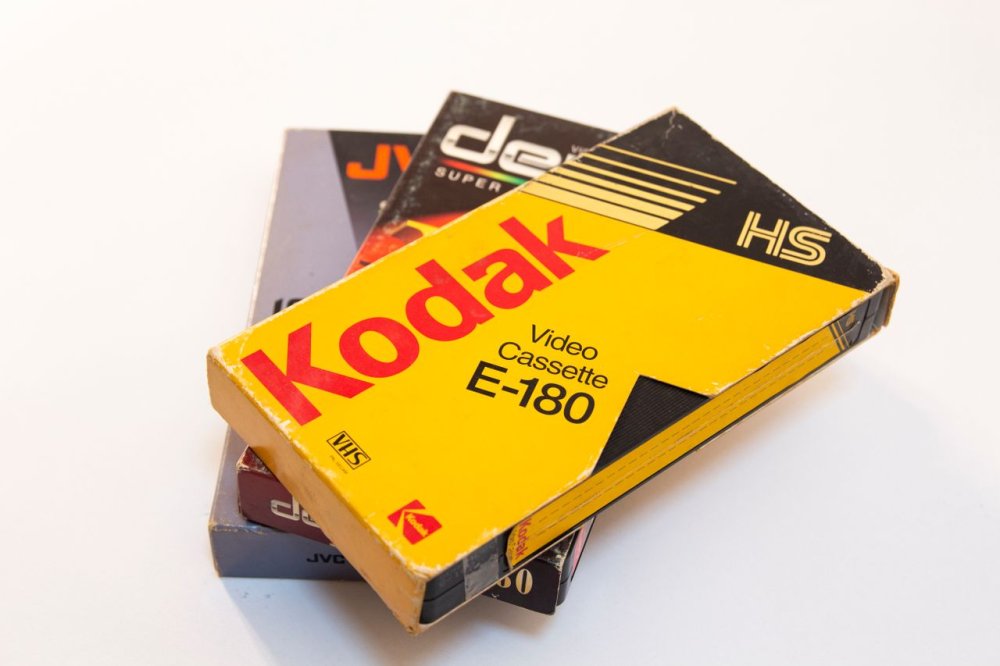
That slightly fuzzy opening shot of Christmas 1988, the BBC continuity announcer before a taped Saturday film, the clunk of a cassette settling into the VCR: these moments can feel permanent. But can VHS tapes degrade? They absolutely can. The magnetic tape inside every chunky black cassette is ageing, even when it has spent decades quietly waiting in a loft, cupboard or under the telly.
That does not mean every old tape is doomed. Plenty of VHS recordings still play surprisingly well, especially those stored sensibly and used carefully. But VHS was never designed to be a permanent archive format. It was a domestic miracle: affordable video recording for programmes, birthdays, school plays and films taped off ITV, complete with advert breaks we once knew by heart. Like cassette tapes, it needs a little care if we want those memories to keep rolling.
Why VHS tapes degrade over time
A VHS cassette is more than a plastic shell with two reels. The tape itself is a thin plastic base coated in magnetic particles, held in place by a chemical binder. Those particles store the picture and sound. As years pass, the binder and tape can react to heat, moisture, dust and repeated use.
The most familiar form of ageing is a gradual loss of picture quality. Colours may look less stable, the image can become noisier, and tracking lines may appear along the bottom or across the screen. Some of this may be down to the VCR rather than the tape, but old recordings can genuinely lose information. Analogue video is forgiving in one sense - a worn tape may still show something - but it degrades visibly rather than simply refusing to work.
Magnetic signals can also weaken over a very long period. This is usually a slow process, not a dramatic overnight erasure, and a well-kept cassette can remain watchable for decades. Still, every playback asks the tape to travel at speed around guides and across spinning video heads. A treasured tape of Only Fools and Horses is not indestructible merely because it has survived since 1986.
The biggest threats to old video cassettes
Heat and humidity
Lofts, garages, sheds and damp cellars are poor homes for VHS collections. Heat can warp cassette shells and distort tape, while humidity encourages mould. British homes are particularly good at producing the sort of chilly, slightly damp storage conditions that feel harmless until a box of tapes is opened years later.
Mould may look like pale dust, white fuzz or tiny patches on the tape reel. Do not put a mouldy cassette into a working VCR. It can clog the heads and spread contamination to other tapes. Professional cleaning is the safest option for an irreplaceable home recording, especially if the tape contains family footage that exists nowhere else.
Dust, smoke and sticky residues
VHS machines were often housed beneath televisions, near radiators, beside ashtrays, or in the sort of living room where everyone had a cup of tea within spill range. Dust gets inside cassettes, and smoke residue can build up on tape and machine parts. Over time, grime can contribute to poor playback and increase wear.
The cassette flap offers some protection, but it is not an airtight seal. If a tape has been stored without its case, or loose in a cardboard box, it has had far more opportunity to collect whatever the years have thrown at it.
Repeated playback and poor machines
Every viewing creates a small amount of wear. A clean, well-maintained VCR is gentle enough for occasional use, but a machine with dirty heads, worn rollers or a faulty loading mechanism can crease, chew or snap a tape in seconds. We all remember the horrible sight of brown tape spilling from a VCR like a mechanical spaghetti disaster.
Fast-forwarding and rewinding are not automatically harmful, but old tapes should not be repeatedly shuttled back and forth for no reason. If a cassette starts squealing, slowing down or showing severe picture breakup, stop playback. Forcing it through can make a recoverable problem much worse.
Physical damage and accidental erasure
Cracked cases, missing screws and bent reels can prevent smooth tape movement. The little plastic tab on the back of a VHS cassette also matters. Snap it out and a VCR should prevent accidental recording over the tape. Cover the gap with a small piece of tape, however, and it becomes recordable again - useful once, perhaps, but a risky arrangement for precious footage.
How long can VHS tapes last?
There is no single expiry date stamped on a VHS cassette. A tape stored in a cool, dry, stable room and played only occasionally may remain usable for 20 to 30 years or longer. Some have survived far beyond that in excellent condition. Others have deteriorated badly after a much shorter life because they spent summers baking in a loft or winters in a damp garage.
Tape quality makes a difference too. Better cassettes often used sturdier shells and tape formulations, although a premium blank tape abused for decades will not outperform a modest one treated with care. Recorded speed matters as well. Long-play and extended-play recordings fit more footage onto the cassette by moving the tape more slowly, which can mean lower image quality from the outset.
The practical answer is this: if a VHS tape matters to you, assume its best years are behind it and make plans now. Waiting for visible failure is a gamble, because the first playback in years could be the one that reveals mould, sticking or damage.
Signs your VHS tape is beginning to fail
A few glitches do not always signal disaster. VHS has always had its quirks, and anyone who spent Sunday afternoons adjusting tracking knows a little snow was part of the experience. Yet certain symptoms deserve attention.
Watch for persistent horizontal lines, colour smearing, sections where the picture rolls or vanishes, muffled or warbling sound, and tape that seems to stick or move unevenly. A musty smell, visible residue on the reels, or a cassette that feels unusually stiff are stronger warnings. If you notice any of these, avoid repeated test plays.
It is also worth separating tape faults from VCR faults. Try a non-valuable cassette in the same machine. If several tapes show the same strange bands or loss of sound, the VCR may need cleaning or servicing. Never use your only copy of a wedding video as the machine test tape.
How to store VHS tapes properly
The ideal storage space is boring, and that is exactly the point. Keep tapes upright in their cases, in a clean room with a reasonably steady temperature and low humidity. A wardrobe in the main part of the house is usually kinder than a loft, garage or garden shed.
Keep them away from radiators, direct sunlight, speakers with powerful magnets and anything likely to leak. Do not stack heavy items on top of cassettes, and avoid storing them flat for years if possible. Before putting a tape away, rewind it fully, then leave it alone. This keeps the tape wound evenly on one reel rather than sitting under tension halfway through The Terminator.
If you are sorting a large collection, label what you have before memories become guesswork. “Mum and Dad, Christmas” is better than “VHS 7”, particularly when the handwriting on old spine labels begins to fade.
Should you digitise old VHS tapes?
For recordings you would genuinely miss, yes. Digitising does not restore lost detail or make a 1980s home video look like modern high-definition footage. It does, however, preserve what is still there and gives you a copy that can be watched without repeatedly running the original tape through ageing machinery.
You can use a working VCR with a video-capture device, or choose a specialist transfer service. The DIY route can be satisfying for hobbyists with the time and equipment, particularly if you enjoy coaxing elderly technology back into service. A specialist can be the better choice for mouldy, damaged or one-of-a-kind tapes, where a single mishap would be hard to forgive.
Keep the original cassette even after digitising, provided it is safe and stored properly. Digital files need care too: make more than one copy and revisit them occasionally. A USB stick shoved in a drawer is not automatically the modern equivalent of preservation.
VHS was never sleek. Its cases were bulky, its pictures could wobble, and its rewinding rituals were wonderfully slow. That is part of why these cassettes still matter. Treat the tapes holding your family, your favourite off-air recordings and the television moments we grew up with as the fragile little time capsules they are - then give them the best chance to keep playing.