A kitchen drawer in 1978 could feel like a tiny electronics shop: a calculator with red glowing digits, a pocket radio, a camera flashcube and perhaps a battered set of headphones with foam pads slowly turning to dust. The forgotten gadgets from the 1970s were not always elegant, useful or built to last. But they had presence. They clicked, whirred, warmed up and demanded little rituals from us.
Before beige home computers colonised the spare room and the Walkman made private listening portable, the 1970s gave British households a wonderfully experimental mix of electronic promises. Some were genuinely ahead of their time. Others were glorious dead ends. All helped teach us that technology could be something to covet, show off and occasionally thump on the side when it stopped working.
1. The pocket calculator
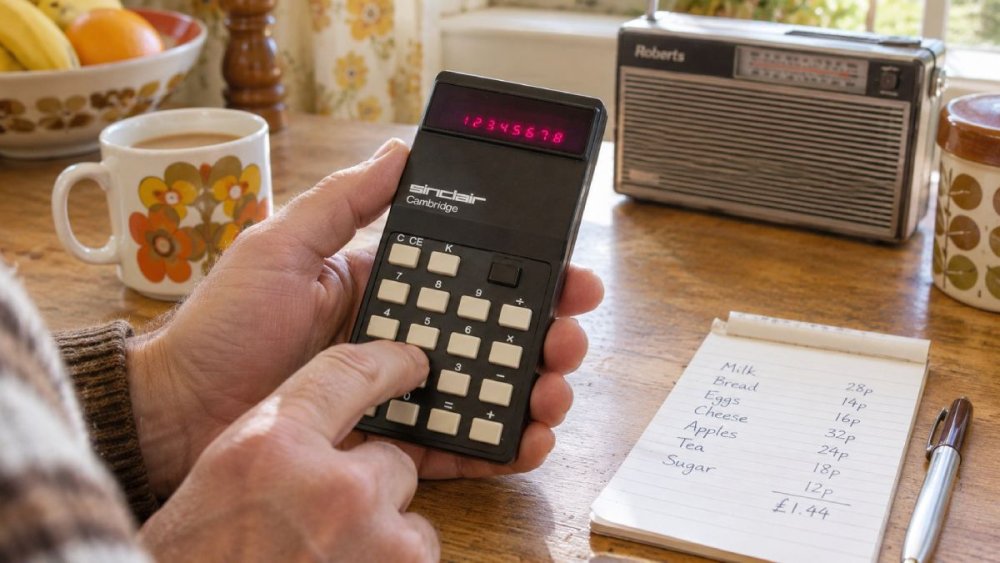
For years, calculation meant pencil, paper and a certain fear of long division. Then the pocket calculator arrived, often costing enough to make it feel more like a family asset than a school accessory. Early models such as the Sinclair Cambridge had chunky keys, a simple display and the magical ability to produce an answer before you had finished doubting yourself.
Their red LED digits were particularly theatrical. You pressed a button and numbers glowed back from a dark little window, as if the future lived inside a plastic rectangle. They were not always truly pocket-friendly, and batteries vanished at a heroic rate, but calculators made electronic gadgets feel personal for the first time.
2. Digital watches with red LED displays
A digital watch in the 1970s was not merely a way to tell the time. It was a miniature computer on your wrist, or so it seemed. The earliest LED watches had a curious flaw by modern standards: the time was not displayed constantly. You had to press a button to make the digits appear.
That limitation only added to the appeal. A quick press beneath the desk, a flash of red numerals, and you looked like somebody who knew what was coming next. They were expensive, often fragile and not especially easy to read in daylight. Yet the sight of those red numbers remains one of the decade’s purest signals of future-facing cool.
3. The cassette recorder that went everywhere
The humble cassette recorder was the 1970s family media centre. It captured children putting on radio plays, football commentary through the telly, birthday parties and radio chart shows interrupted by a presenter talking over the final seconds. With one of those built-in microphones, everyone became a producer.
Portable cassette recorders were bulky by later standards, with a carrying handle and a satisfying mechanical clunk when Play was pressed. Still, they travelled to school, holidays and grandparents’ houses. Long before cassette loading became part of the home-computing ritual, the recorder taught us to wait for reels to turn and to accept a bit of hiss as the sound of possibility.
4. The TV game console
Before Space Invaders claimed the chippy and before the Atari 2600 became a Christmas wish-list legend, there were dedicated TV games. These machines plugged into the television and usually offered variations on one elemental idea: two lines batting a square dot back and forth.
The Binatone TV Master is the name many UK households remember, although countless similar consoles appeared under different badges. The graphics were primitive even then, the controllers often had twisty dials rather than proper joysticks, and the ball had all the personality of a loose pixel. None of that mattered. Seeing a game respond on the family television felt astonishing. We were no longer just watching the box. We were making it do something.
5. The electronic football game
For anyone whose football ambition exceeded the available garden space, handheld electronic football games were irresistible. Their bright dots, beeps and printed plastic pitches bore only a passing resemblance to a proper match. Yet they could turn a train journey or a rainy afternoon into Wembley.
Mattel’s electronic sports games were especially memorable, using red LED dots to represent players and the ball. The controls could be unforgiving, the sounds were harsh, and there was little room for tactical brilliance. But a successful move down the pitch still produced the same small burst of triumph. These were the toys we begged for because they looked like the future had been shrunk to fit in both hands.
6. The Instamatic camera and flashcube
The Instamatic made photography feel democratic. No fiddling with film leaders, no worrying too much about focus, and no need to understand shutter speeds before capturing a school trip or a slightly blurry Christmas morning. You simply slotted in a cartridge, looked through the viewfinder and pressed the button.
Then came the flashcube: four little bulbs in a clear cube that rotated after each photograph. It gave the camera a distinctly space-age silhouette and produced a sharp burst of light that made everyone blink. The trade-off was obvious once the prints returned from Boots - indoor photos could be stark, washed out or strangely haunted. Even so, the wait for developed photographs gave every snap a sense of occasion that endless phone-camera shots rarely manage.
7. The stylophone
The Stylophone was a musical instrument for people who liked the idea of electronic music but had not quite mastered the piano. You played it with a stylus, touching a printed metal keyboard to create its instantly recognisable buzzy tone. It looked less like an instrument than a prop from a low-budget science-fiction programme, which was exactly the point.
It could be a novelty, certainly, and many ended up in cupboards after several enthusiastic renditions of a tune nobody could identify. But its strange sound lodged in the imagination. The Stylophone proved that consumer electronics did not have to be sensible to be loved. Sometimes a gadget only needed a noise, a stylus and a bit of swagger.
8. The electronic quiz game
The 1970s had a deep faith that electronics could improve the family quiz night. Games such as the Quiz Wiz and similar question-and-answer machines promised knowledge at the press of a button. Insert a card, choose an answer, connect a lead or press a contact, and a light or buzzer revealed whether you had been clever.
They were often more cumbersome than a board game and the question cards dated quickly. Yet there was a special satisfaction in a machine judging the room. It felt more official than Dad checking an answer at the back of a card, even if the gadget itself was little more than a battery, a bulb and some cleverly arranged contacts.
9. The cassette car stereo
A cassette deck in the car brought a new kind of freedom, although it came with its own set of rules. A favourite album had to be selected before setting off. The cassette case lived in the glovebox. And when the tape chewed up inside the mechanism, somebody had to carefully wind the brown ribbon back with a biro.
Early car cassette players were a prized upgrade, particularly when paired with extra speakers and a dashboard that glowed at night. The sound was hardly pristine, and road noise made subtle tracks a challenge. But choosing your own music instead of accepting whatever Radio 1 happened to play changed the feel of every journey to the seaside, the match or a relative’s house.
10. The CB radio
Citizens’ band radio became a proper British craze at the end of the decade and into the early 1980s. A CB set, aerial and a chosen handle transformed a car or bedroom into a link with strangers nearby. The language was part of the fun: “breaker”, “copy” and a burst of static that suggested hidden conversations just beyond reach.
It also exposed the limits of gadget dreams. Reception depended on location, equipment and who else happened to be transmitting. Channels could be noisy, conversations could be dull, and the whole arrangement demanded more patience than a modern message. Still, CB radio offered an early taste of a connected social world - unpredictable, local and wonderfully odd.
11. The portable transistor radio
The transistor radio was already familiar by the 1970s, but it remained the essential private gadget of the decade. It slipped under pillows for late-night listening, accompanied gardening and brought football scores to sheds, kitchens and beaches. Its telescopic aerial was forever being adjusted, usually while somebody said, “Hold it there.”
There was no skipping tracks, no searching a catalogue, no guarantee that your favourite song would arrive before bedtime. That was the charm. Listening was an act of waiting. A crackly signal, a DJ’s voice and the sudden arrival of a record you loved could make a small plastic radio feel like the most important object in the house.
12. The electric toothbrush and other bathroom futurism
Not every 1970s gadget belonged beside the telly. The bathroom got its share of space-age optimism too, including early electric toothbrushes, electric shavers and home grooming devices in colours ranging from cream to alarming avocado. These were sold as time-savers and modern necessities, even when a manual toothbrush had managed perfectly well for generations.
Some genuinely became everyday items. Others were given as practical Christmas presents, tried twice and quietly forgotten behind the towels. Their real fascination lies in the promise they carried: that every ordinary task, however small, might be improved by batteries, a motor and a larger plug than seemed strictly necessary.
Why these 1970s gadgets still matter
What makes these objects more than old plastic is the way they changed our expectations. They made technology tactile and slightly temperamental. You inserted tapes, changed batteries, tuned dials and waited for lights to glow. When something worked, it felt earned.
That is why a battered calculator, a flashcube or a red-dot football game can still spark instant recognition. They belong to the years when consumer electronics stopped being distant laboratory stuff and became part of British family life - on the sideboard, in the glovebox and under the Christmas tree. If you remember one of them, you do not just remember the gadget. You remember the room, the sound it made and the person who showed you how it worked.